
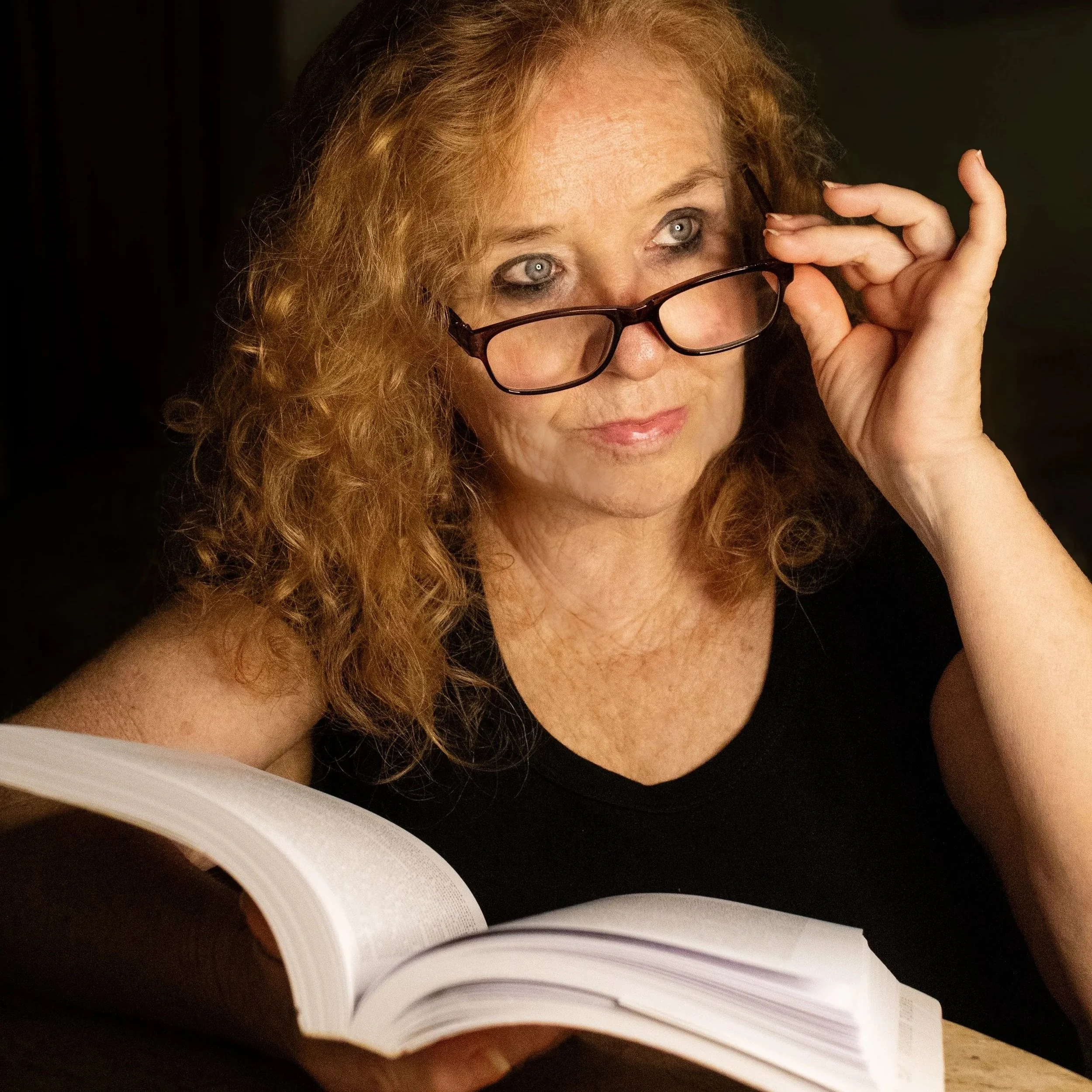
If you are over 45 and keep moving the menu farther from your face, presbyopia may be the reason. With age, the eye’s lens becomes less flexible, making close work harder to focus on. An eye exam can identify what is happening and which correction you need. [1]
There is a particular restaurant maneuver nobody teaches you. Menu forward. Menu back. Chin up. Find the light. Eventually somebody offers their phone flashlight, and dinner briefly becomes a rescue operation.
The surprise is how ordinary the explanation can be. The National Eye Institute says presbyopia usually develops after 45. It is a change in the eye’s focusing system, not evidence that you have suddenly forgotten how to read. [1]
Make the task easier
Brighter reading light and larger text can help, particularly early on. Glasses or contact lenses can provide correction; some people use over-the-counter readers, while others need prescription lenses. Presbyopia can coexist with other focusing problems, so buying stronger readers is not a substitute for finding out what your eyes need. [1, 2]
For your appointment, bring examples from your actual day. Is the difficulty with a paperback, a phone, sewing, or the ingredients on a jar? Does it happen with your current glasses on? Describe the task and the distance instead of simply saying that everything is getting older.
You could even write down the three situations that irritate you most. That tiny list is useful because the goal is not just to read letters in an exam room. It is to get back to the things you enjoy doing without negotiating with the lighting every five minutes.
A change worth checking
Gradual trouble with nearby print is different from a sudden shower of new floaters, flashes of light, or a curtain-like shadow across your vision. Those can be signs of retinal detachment. The National Eye Institute advises seeing an eye doctor or going to an emergency room right away. [3]
For the everyday reading struggle, start with one pleasant adjustment today: move the lamp, enlarge the text, or make the appointment you have been postponing. The size of the font is not a character test. The book is waiting for you.
Keep exploring
Discover what your ears can do →
Follow another curiosity →
Research references & image credit
Photograph: Giovanna Kamimura / Pexels. Used under the Pexels License. Stock photograph illustrating reading with glasses; it does not establish the pictured person’s medical condition.
