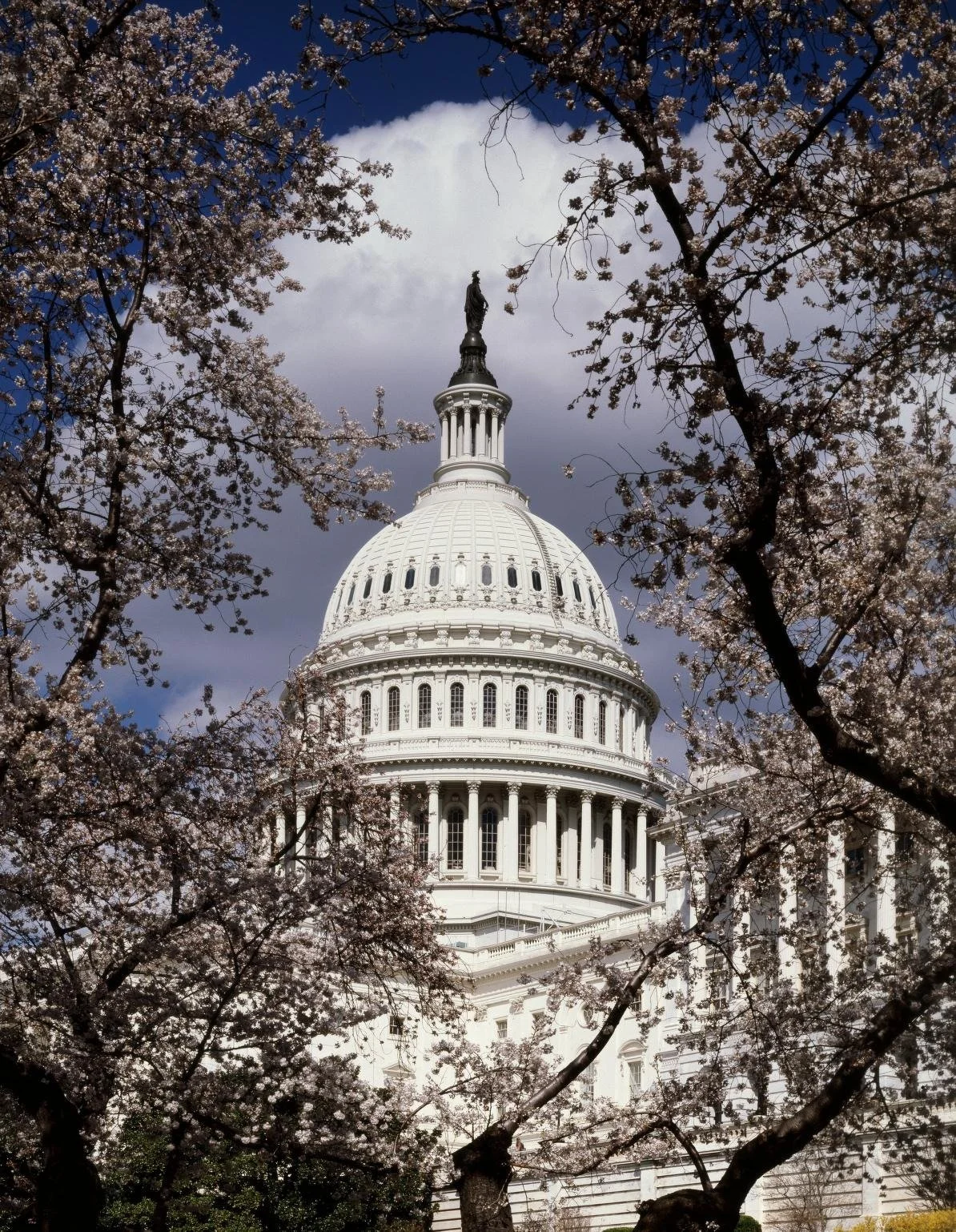
The Cheers Were for More Than a Win: Democrats Take Back Congress
Hugs, tears and cheers marked a night of Democratic victories. For supporters, it was a moment to feel they were taking their country back.
The joy was visible in the faces. In Austin, supporters at James Talarico’s election-night gathering hugged, and some cried. In Maine, Troy Jackson’s supporters celebrated. In Detroit, Abdul El-Sayed’s supporters cheered. A night spent watching returns had become a night worth celebrating.
For the Democrats celebrating those victories, taking back Congress carried a larger emotional meaning: a chance to take their country in a different direction. The cheers were for the wins, but also for the possibility those wins opened.
There is a human story inside an election result. The map can show which party won a seat. It cannot quite capture what it feels like to stand among people who hoped for the same thing and realize it has happened.
In Washington, Democratic leaders celebrated onstage as their party won back the House. Hakeem Jeffries addressed cheering supporters and promised a Congress focused on delivering for the American people. The celebration came with a responsibility: turn the victory into something people can feel in their lives.
For that night, though, there was room for joy. Democrats had won a new opportunity to shape the country’s future. Their supporters had reason to cheer.
## What Democrats won
The biggest political change from America’s November 3, 2026, elections is the balance of power in Congress. By November 4, news organizations were reporting Democratic victories in both the House of Representatives and the Senate.
That victory changes who will help govern the country. It does not change the presidency. Donald Trump remains president, and the newly elected Congress will begin its regular terms on January 3, 2027. Election-night calls and projections are also different from the states’ official certification of results.
## Where the change happened
The Senate gains reached well beyond a single region. Reported Democratic Senate flips included in North Carolina, South Carolina, Texas, Ohio, Kansas, Iowa and Maine. Those wins, alongside the House result, point toward divided government: a Republican president facing a Congress controlled by Democrats.
This article does not present a final seat total. Counts and unresolved races can continue to develop after the overall balance of a chamber becomes clear. The national result also should not be mistaken for a report on every governor’s race, state legislature or local ballot measure.
## What a congressional majority can change
Congress makes federal laws and controls federal spending through legislation. A new majority can change which proposals advance and which priorities receive attention. The Senate also has a separate role in confirming presidential nominees, including many federal judges and senior officials.
But a majority is not permission to do everything it promised. A bill generally needs to pass both chambers and reach the president. A presidential veto can be overridden only with two-thirds support in each chamber. In the Senate, ending debate on most legislation generally requires three-fifths of senators duly chosen and sworn, usually 60 votes. That is a different threshold from a simple majority.
## What to watch after the celebration or disappointment
The useful next question is what the winners actually do with their authority. Watch the legislation they introduce, the votes they take and the agreements they can reach. An election victory creates an opportunity to act; a campaign promise is not itself a change in law.
For the supporters who celebrated, November 3 was a night of possibility. The next chapter will be written through governing: what the new Congress pursues, what it can pass and how it answers to the people who put it there.
SOURCES
[1] ABC News/WABC, November 4 live reporting: projections for both chambers
[2] Australian Broadcasting Corporation, November 4 results using AP data
https://www.abc.net.au/news/2026-11-04/us-midterm-election-results-2026/107235570
[3] U.S. Senate: Constitution, Articles I–II and Twentieth Amendment
https://www.senate.gov/civics/constitution_item/constitution.htm
[4] U.S. Senate: About Voting
https://www.senate.gov/about/powers-procedures/voting.htm
[5] The New Republic: Election-night photographs documenting hugs, tears and celebrations in Texas, Maine and Michigan, November 4, 2026
https://newrepublic.com/article/217566/photos-democrats-election-night-victory-parties-celebration
[6] Roll Call: Democrats flip House as Republicans confront blue tsunami; Washington celebration and Jeffries remarks, November 4, 2026
https://rollcall.com/2026/11/04/democrats-house-midterm-election-blue-tsunami/
IMAGE CREDIT
Carol M. Highsmith, Library of Congress, Prints & Photographs Division, LC-DIG-highsm-16168. Public domain.