
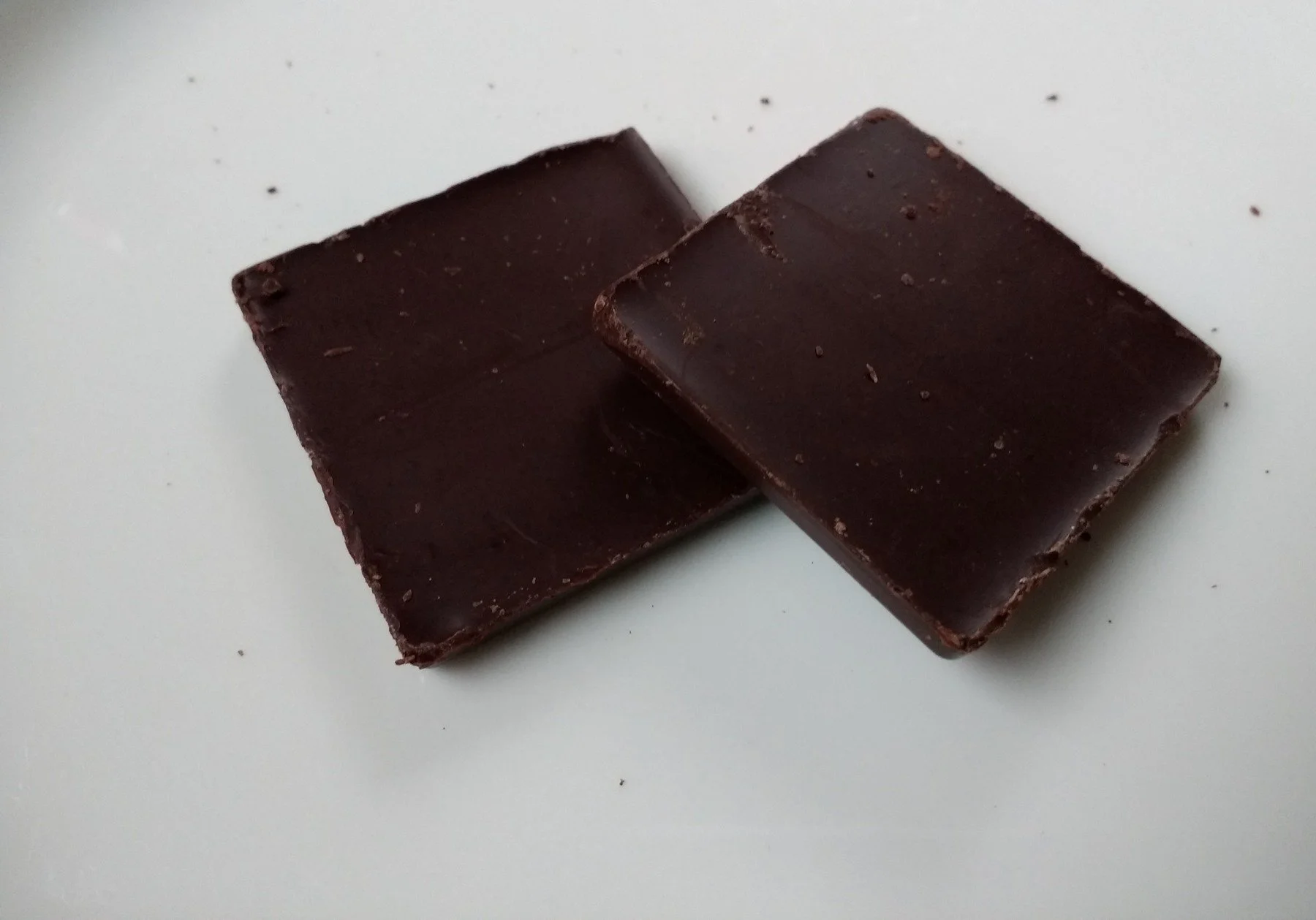
A Small Ritual May Change How You Enjoy the First Bite
The chocolate had not changed. The opening act had.
In a 2013 experiment, some participants followed a little sequence before eating: break the wrapped bar in half, unwrap and eat one half, then unwrap and eat the other. Others waited for roughly the same amount of time and ate it naturally.
It sounds like an unusually organized snack. That was the point. Researchers were investigating whether a small ritual could alter the experience of consuming something ordinary.
The first experiment involved 52 students. Those assigned the ritual reported greater enjoyment and spent longer eating. Across four experiments involving chocolate, lemonade and carrots, the researchers found evidence that ritualized actions could enhance enjoyment. Performing the actions personally mattered more than merely watching somebody else do them.
Their proposed explanation was involvement: the sequence drew people into the experience. The reported results concern responses under particular experimental conditions. They do not establish that everyone needs a ritual, that rituals improve nutrition or that a carefully arranged snack changes long-term health.
That boundary leaves a rather pleasant question intact. What would it look like to give an ordinary eating moment an intentional beginning?
Perhaps it means placing a familiar lunch on a plate before sitting down. Perhaps it means opening the curtains before breakfast. Those are everyday possibilities, not procedures proven by this study. The useful editorial idea is to make the moment easier to notice, without turning the meal into a performance.
There is no need to buy a special cup, count chews or earn the right to enjoy something. If an elaborate routine would make lunch feel like another assignment, it has missed the spirit of the invitation.
Food already comes with enough instructions. A small beginning can be optional, personal and almost comically modest. Put down the bag. Sit where you want to sit. Let the first bite actually arrive.
The meal does not have to become an occasion. It can simply stop being background.
Sources
Vohs, Wang, Gino and Norton, Rituals Enhance Consumption, Psychological Science, July 17, 2013 online; September 2013 issue. Primary experimental paper.
PubMed record, PMID 23863754. Bibliographic and abstract cross-check; accessed November 6, 2026.
https://pubmed.ncbi.nlm.nih.gov/23863754/
Sources checked November 6, 2026.
