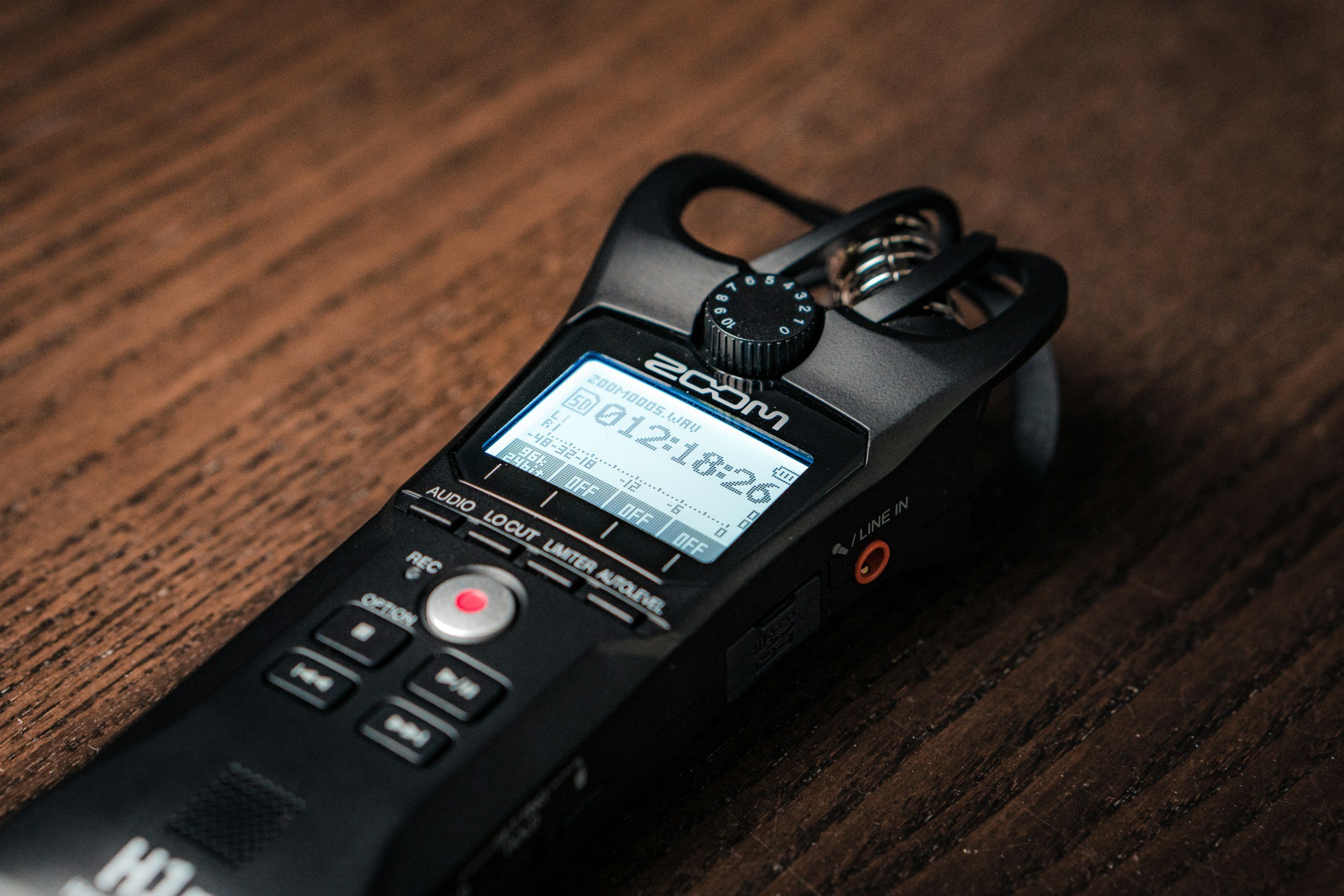
If you are 45 or older and have years of working life behind you, try recording one ordinary workday from memory. A phone recording or a page of notes is enough to begin. You do not need to wait for retirement, a reunion or somebody asking you the perfect question.
A résumé might say office administrator. It probably does not say you could identify three colleagues by their footsteps, knew which printer required negotiation, and could tell by the silence when something had gone wrong.
Those are details worth keeping. So are the routines of raising children, caring for relatives, running a household or helping with a family business. Paid employment is only one kind of work.
Start with a scene, not your entire life
Choose one workplace or period. Name the approximate year and place, then describe arriving. What was the first task? What did you carry? Which sound meant the day had started?
Try these MCE prompts: What did a newcomer always get wrong? What did you learn to do without thinking? Who made the day easier? What would surprise someone doing that work now?
Keep the first recording short enough that you want to make another. Five minutes is a perfectly useful starting point, not a research standard. If you wander into a story about the break room, you are allowed to stay there.
Give the memory its proper label
The National Park Service recommends preparation, comfortable recording conditions and open questions for oral-history interviews. For a personal recording, borrow those useful habits without pretending you have produced a formal archive.
Say when you are unsure. 'I think this was 1994' is more useful than a confident date you cannot support. A remembered conversation is a memory of a conversation, not a transcript.
Leave out confidential business information, clients' details and stories that are not yours to share. If another person joins the recording, agree on its use before starting and ask again before sharing it.
Make it findable
Give the file a plain name with your name, the subject and the recording date. Keep another copy somewhere you can retrieve. Add a sentence explaining what is inside.
You do not have to turn the recording into a lesson about perseverance. Maybe the best part is how everyone knew to avoid the coffee after two. Ordinary is allowed to be the point.