You do not need an unusual bird to make a useful observation. Project FeederWatch asks participants to record birds using a consistent method, including the greatest number of each species seen at the same time during a two-day count. Familiar birds belong in the record too. [1]
This is where birdwatching gets unexpectedly interesting. The bird that seems to be making its seventh appearance is not necessarily seven birds. The project gives that everyday uncertainty a practical rule.
Count the gathering, not the entrances
Imagine seeing two chickadees together, then one, then three. For that species, your maximum so far is three. You do not add the visits into six. That example is an illustration of the method, not an actual field observation.
Participants choose two consecutive days and keep one running maximum for each identified species across both days. The project provides fuller instructions about eligible birds and count sites, including excluding birds merely flying overhead. Read those instructions before submitting anything. [1]
A small place can produce a real question
You might start by simply observing one view and noticing what you can and cannot identify. A window can frame enough uncertainty to occupy a curious person very nicely. Was that the same bird? What detail would help you tell? Does it return when the larger birds leave?
For formal participation, follow the project's enrollment and site guidance. Check current participation terms and any fee before joining. Browsing and learning the method can come first. This is an invitation to explore, not a request to buy equipment. [3]
Cornell describes FeederWatch as a joint project with Birds Canada and reports that its data have helped researchers investigate changes in bird populations and ranges. [2] An individual count is one contribution to a larger record, not a stand-alone scientific conclusion.
Ordinary is not empty
The project explicitly values common birds and low counts. Concentrating only on spectacular sightings would give a distorted picture. [1] That is a useful reason to look again at the view you already have.
Try one unsubmitted practice observation. Note the birds you can identify confidently and the maximum you see together. Leave uncertainty on the page instead of guessing it away. If you enjoy the process, the next step is the official participation guide.
Keep exploring
Sources and image credit
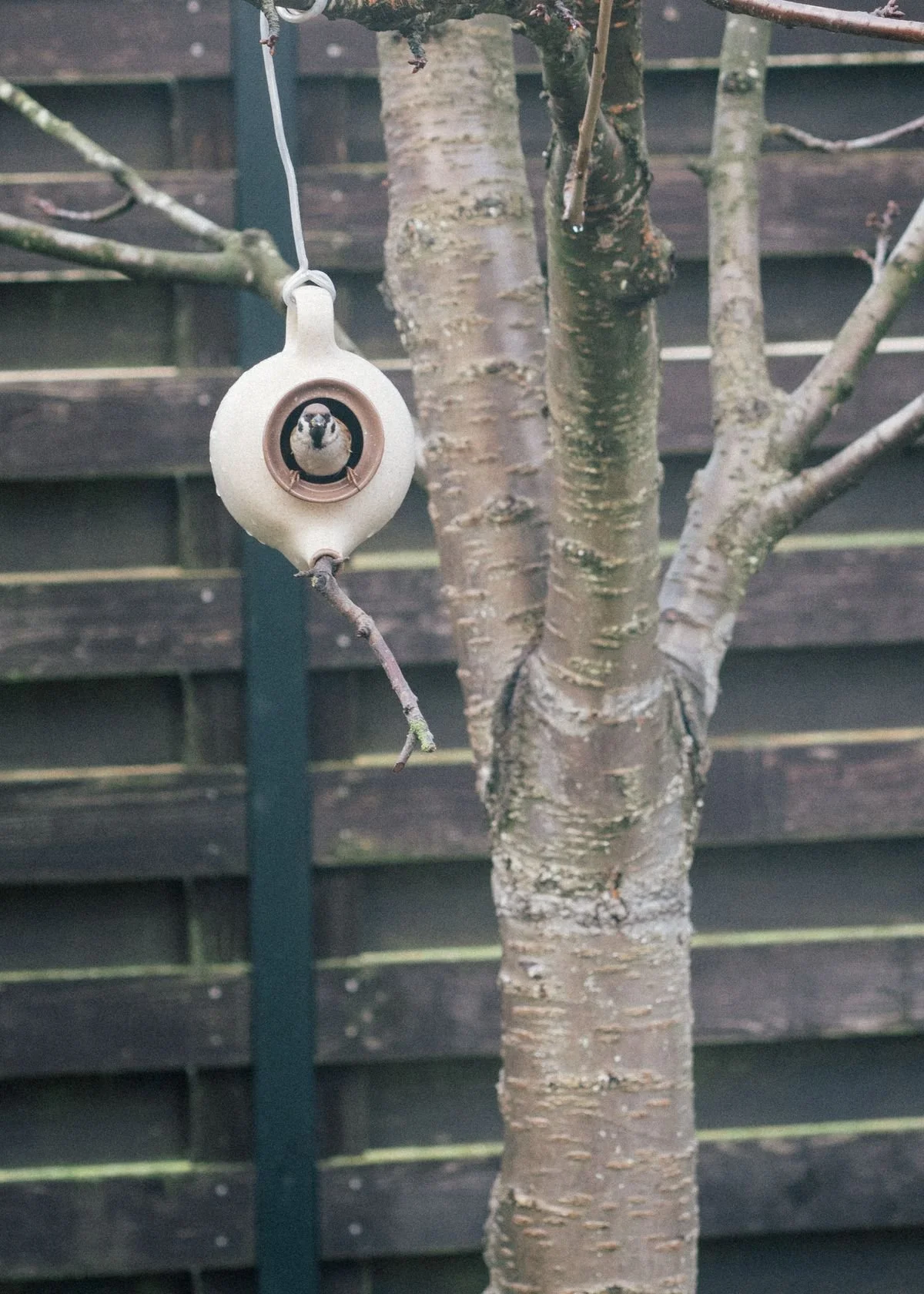
Photograph by Justinas / Pexels, used under the Pexels license. Illustrative bird photograph, not a Project FeederWatch count record.